 Asma v
Diamond Solitaire Engagement Rings for Women: The Enduring Beauty of One Exceptional Stone
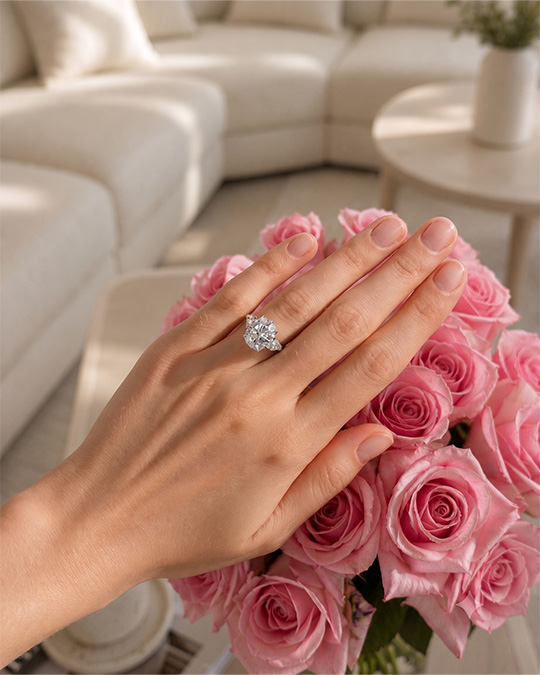
The finest diamond solitaire engagement rings for women are deceptively simple. With no halo to soften the proportions and no constellation of side stones to distract the eye, every decision becomes visible: the cut of the diamond, the delicacy of the prongs, the warmth of the metal, and the way the ring settles against the hand.
This is precisely why the solitaire remains so compelling. It leaves nowhere for beauty—or craftsmanship—to hide.
A best solitaire engagement ring does not need to announce itself. One diamond, held in the light with almost architectural precision, can say everything an engagement ring is meant to say—clarity, permanence, and the quiet thrill of having chosen well.
Inside this guide
- How to select a beautifully proportioned natural diamond
- The solitaire settings, cuts, metals, and carat sizes worth considering
- How to pair a solitaire with the right wedding band




Round Brilliant: The Icon
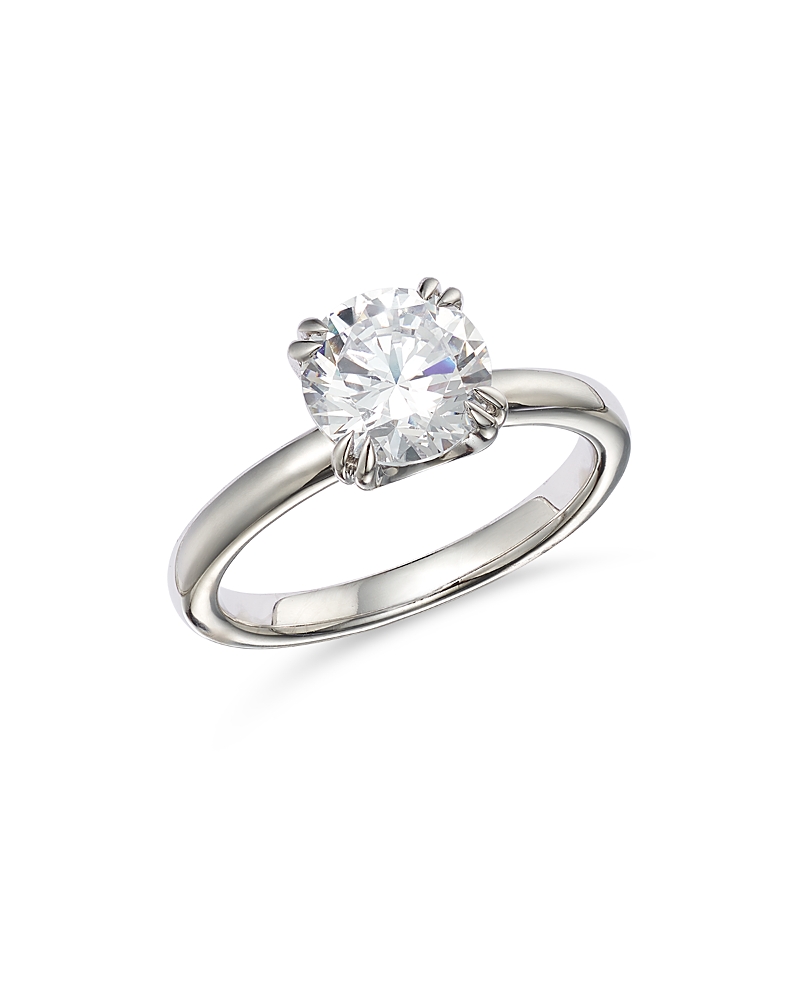
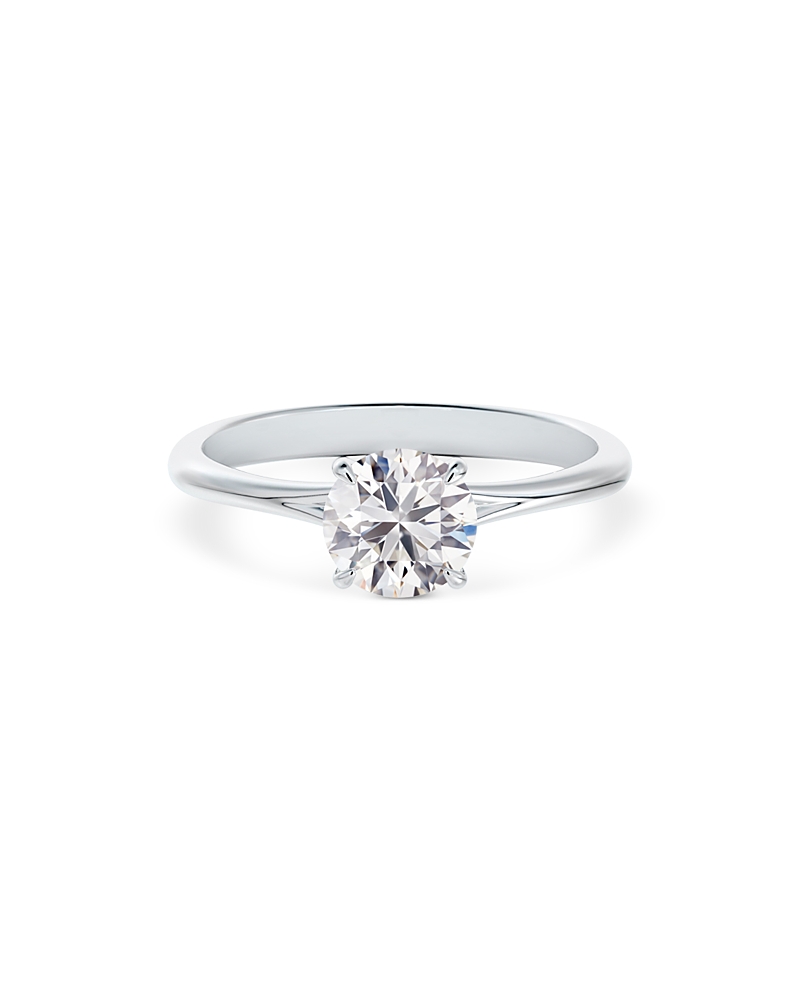
Solitaire engagement rings round remain the reference point of the category. Their symmetry feels formal, yet never stiff; their brilliance is immediate, even from across a softly lit room. For buyers drawn to tradition, solitaire engagement rings round cut offer an exceptionally versatile foundation for white gold, platinum, and yellow gold.
A solitaire engagement ring round can feel delicate on a narrow band or commanding in a more substantial six-prong setting. When shoppers ask for diamond solitaire engagement rings brilliant cut, they are often imagining this concentrated, flickering light—the unmistakable visual signature of a well-cut round brilliant diamond.
Oval: Romantic, Elongated, and Modern
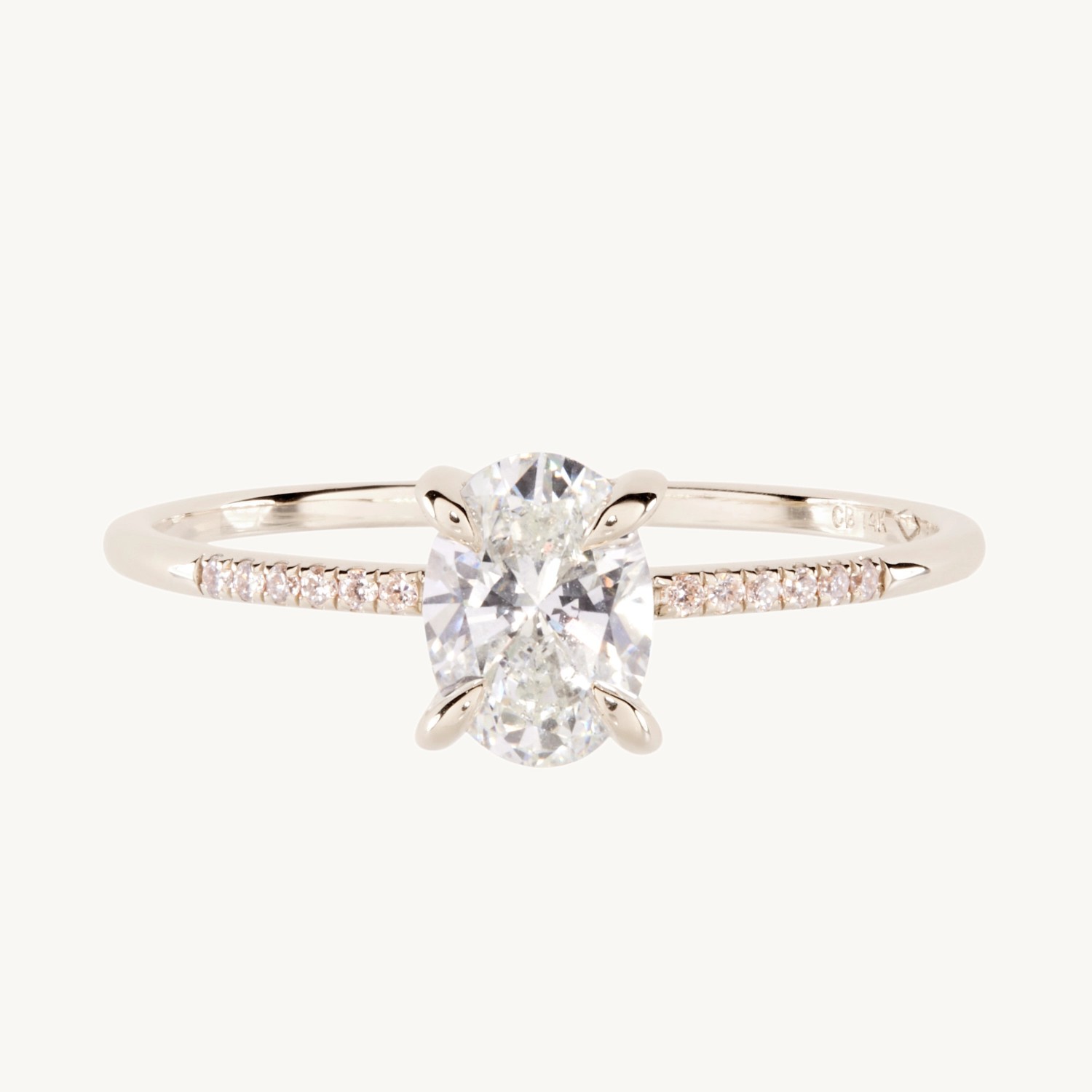
Oval solitaire engagement rings have a graceful sense of movement. Their elongated outline can make the finger appear longer, while their broad face-up presence often feels generous for the carat weight.
The finest examples display an even pattern of brilliance without an overly dark bow-tie through the center.
A solitaire engagement ring oval set low in platinum appears sleek and polished; lifted above a slender gold band, it becomes more romantic. White gold oval solitaire engagement rings feel cool and seamless, while oval solitaire engagement rings gold create a richer contrast between warm metal and white diamond.
Princess Cut: Clean Lines, Vivid Light
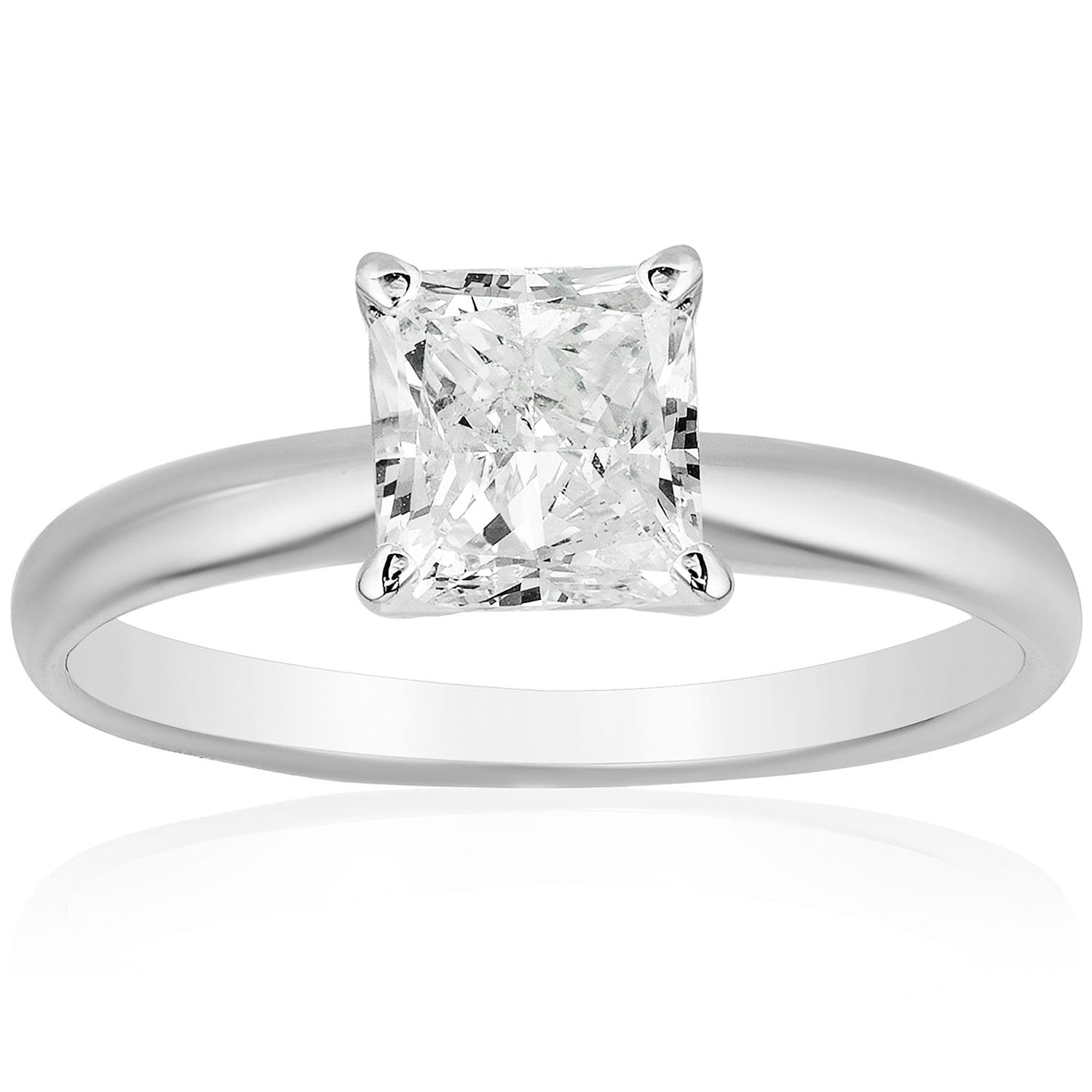
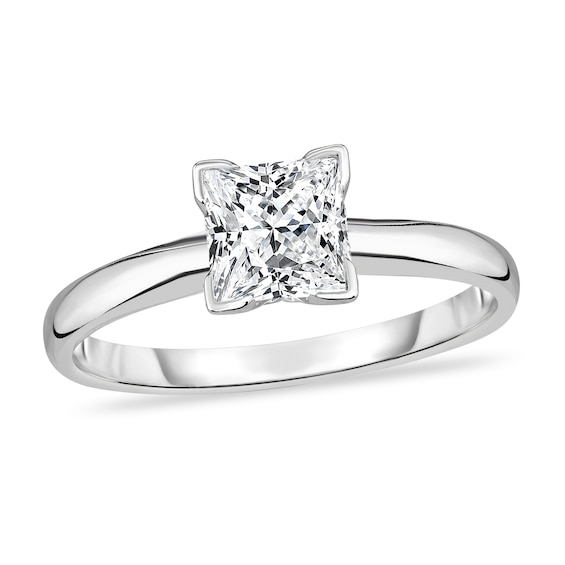
A solitaire engagement ring princess cut has sharp corners, a square silhouette, and brilliant-style faceting that scatters light in a distinctly modern way. Because its corners can be vulnerable, the setting deserves particular attention. V-shaped prongs or a protective corner design can preserve the crisp outline while supporting everyday wear.
Marquise: A Little Theatrical, Entirely Elegant
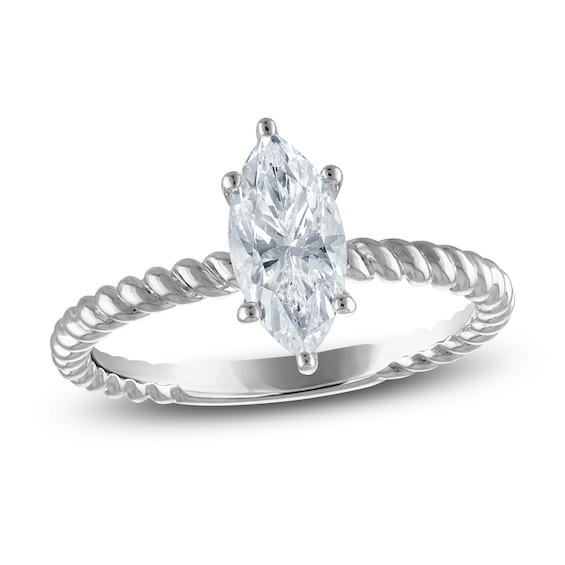
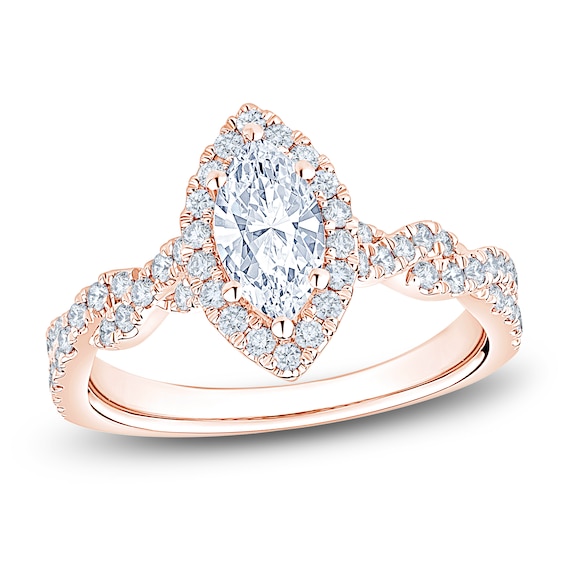
The solitaire engagement ring marquise is for someone who does not mind being remembered. Its pointed ends and sweeping curves make the diamond appear expansive, while its elongated shape draws the eye along the hand.
Look for pleasing symmetry and protected tips; both are essential to the beauty and longevity of the setting.
Choosing the Setting: Four Prongs, Six Prongs, or a Bezel
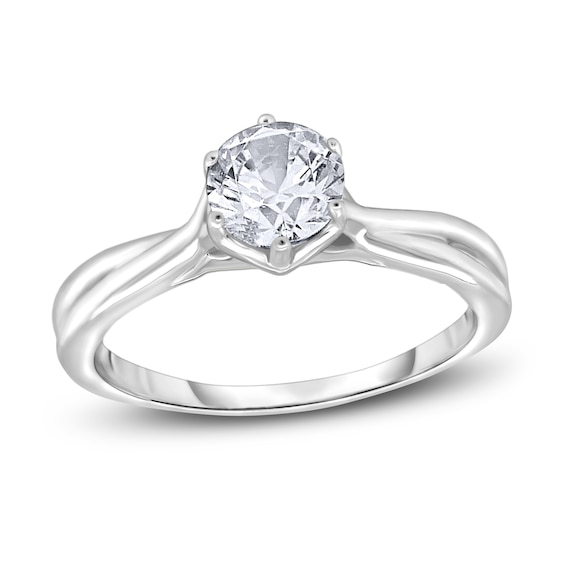
Four prongs expose more of the diamond and can give a round stone a subtly squared outline. 6 prong solitaire engagement rings offer additional points of contact and create a more distinctly rounded frame around a round brilliant. The effect is classic, almost ceremonial, particularly in platinum or white gold.
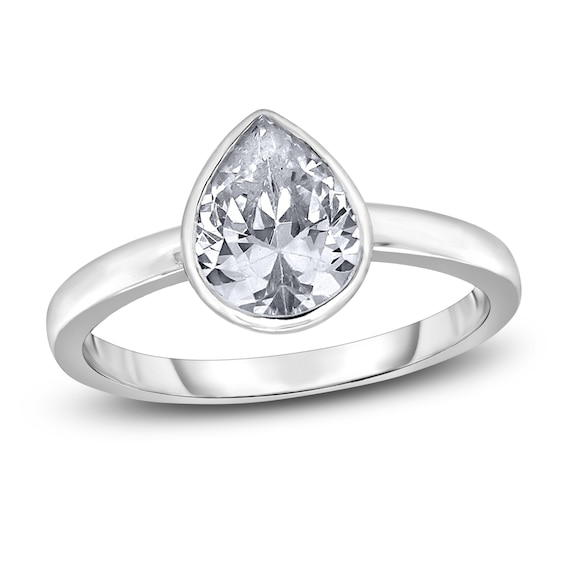
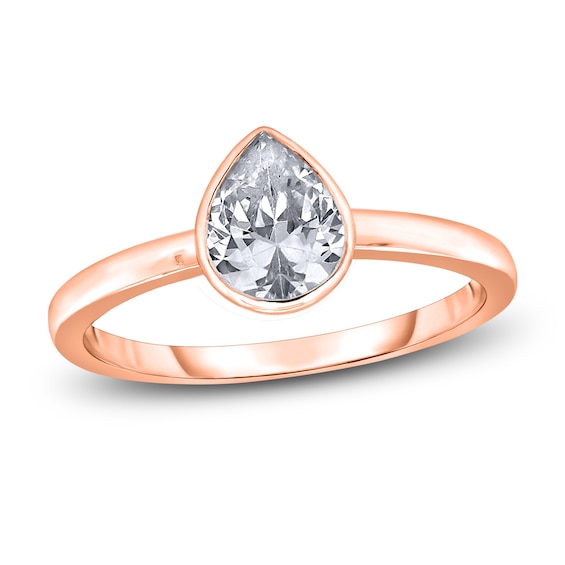
A bezel surrounds the diamond with a fine rim of metal. It offers a sleek profile and greater protection around the stone’s edge, making it persuasive for active hands or anyone who dislikes catching prongs on knitwear.
Cathedral shoulders introduce height and visual ceremony, while a low basket brings the diamond closer to the finger but may limit which wedding bands can sit flush beside it.
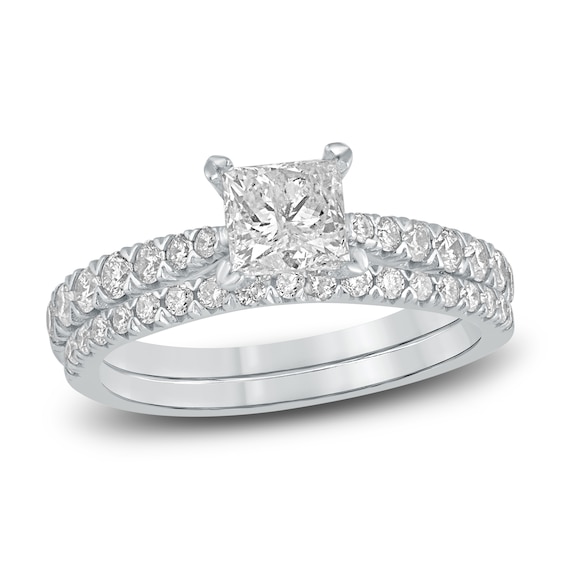
A basket that extends beyond the band can leave a visible gap between the engagement ring and wedding band. Some wearers enjoy that breathing room; others prefer an integrated stack. Decide before purchase, not after.
White Gold, Yellow Gold, Rose Gold, or Platinum?
White Gold: Polished and Light-Focused
Solitaire engagement rings white gold have a cool, pristine appearance that flatters both round and elongated diamonds.
A solitaire engagement ring white gold is typically alloyed for strength and finished with rhodium to create its bright white surface. That finish may require renewal over time, particularly on a ring worn every day.
White gold diamond solitaire engagement rings are especially effective when the goal is visual continuity. White prongs recede against the diamond, allowing the stone’s outline and light performance to dominate. The result is polished without feeling overly formal.
Yellow Gold: Warmth with a Sense of Permanence
Solitaire engagement rings yellow gold bring warmth to the austerity of a single diamond. A solitaire engagement ring yellow gold can feel vintage when paired with a six-prong crown or strikingly modern when the band is slender and unadorned.
Many designs use white-metal prongs to keep the diamond visually bright while preserving the warmth of the shank.
Yellow gold solitaire engagement rings also develop character gracefully. Tiny signs of wear become part of the surface rather than an interruption. For someone attracted to jewelry that feels collected rather than pristine, a solitaire engagement ring gold setting can be deeply persuasive.
Rose Gold: A Softer Kind of Romance
A solitaire engagement ring rose gold casts a subtle blush around the diamond. It is particularly lovely with oval, pear, and cushion silhouettes, where the metal’s warmth complements the softness of the outline. Rose gold can vary noticeably between jewelers, so compare its color against the wearer’s skin rather than relying on product photography alone.
Platinum: Substantial, Cool, and Enduring
Platinum solitaire engagement rings have a reassuring density in the hand. Platinum is naturally white and does not depend on rhodium plating for its color. Over time, it develops a soft patina—an effect some collectors prize and others periodically polish away.
Solitaire engagement rings platinum are often chosen for their durability and the security they offer around a valuable center stone. They can, however, feel heavier and generally command a higher price than comparable gold settings. The choice is tactile as much as practical.
One Carat, Two Carats, or Five? Understanding Scale
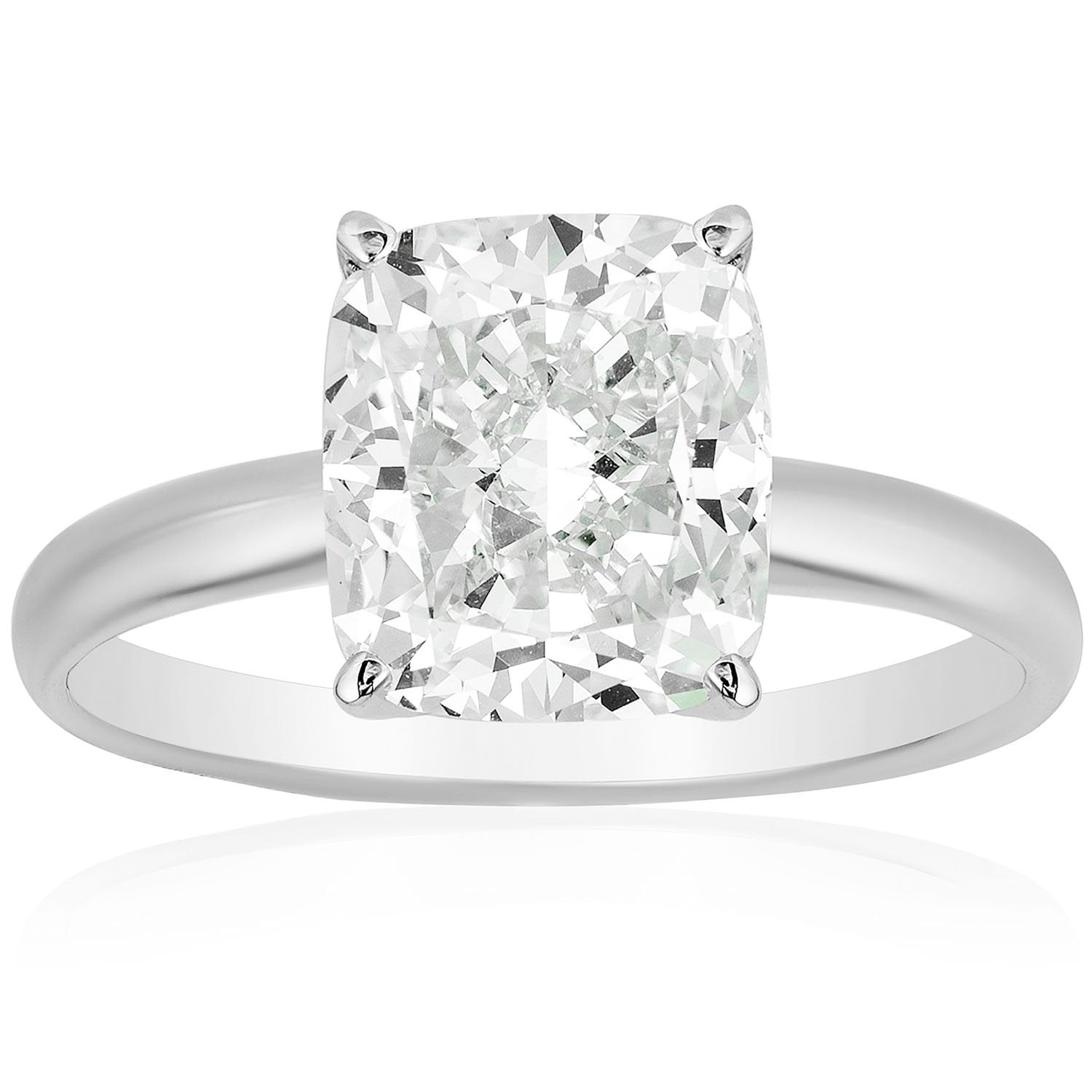
Diamond solitaire engagement rings 1 carat occupy an enduring sweet spot: substantial enough to hold presence, restrained enough to remain effortless. A beautifully cut one-carat natural diamond on a narrow band can appear more compelling than a larger stone with less balanced proportions.
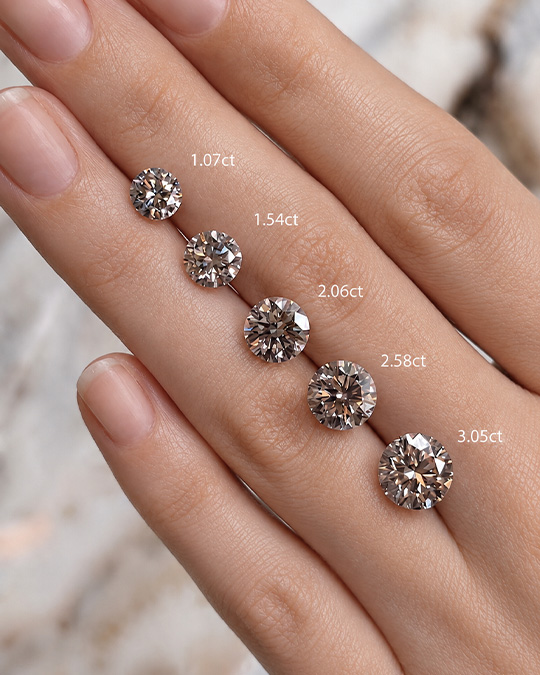
Diamond solitaire engagement rings 2 carat introduce greater visual drama, especially in oval, round, and marquise shapes. A 2 ct diamond solitaire engagement rings search should lead not only to carat comparisons but also to measurements, depth percentages, setting height, and how the diamond looks in relation to the wearer’s finger.
5 carat solitaire engagement rings belong to a different visual vocabulary. At this scale, the diamond behaves almost like a small work of architecture. The setting must balance elegance with structural security, and discreet choices—a well-shaped gallery, proportional prongs, a band with enough substance—become indispensable.
Diamonds weighing slightly below familiar milestones—such as 0.90 rather than 1.00 carat—may appear remarkably similar once set. Compare actual millimeter measurements and visual performance instead of treating the carat number as the entire story.
Classic, Custom, or House Signature?
Classic solitaire engagement rings are defined by restraint: a plain band, a carefully proportioned crown, and a center diamond allowed to remain completely legible. Their advantage is adaptability. They accept different wedding bands, move easily between personal styles, and rarely feel tied to a passing trend.
Custom solitaire engagement rings make sense when the wearer has a specific vision, an unusually shaped diamond, an heirloom stone, or precise preferences regarding profile and proportion.
Custom should not mean ornament for ornament’s sake. At its best, it refines the smallest relationships—the width of the band, the angle of the shoulders, the placement of each prong—until the finished ring feels effortless.
Searches for solitaire engagement rings tiffany often reflect admiration for a particular archetype: a round diamond raised above a slender band in a six-prong crown.
That historic silhouette has influenced countless designs. When considering any recognizable house style, examine the craftsmanship, service, provenance, and long-term care attached to the name—not merely the outline of the setting.
Three-Stone vs. Solitaire Engagement Rings
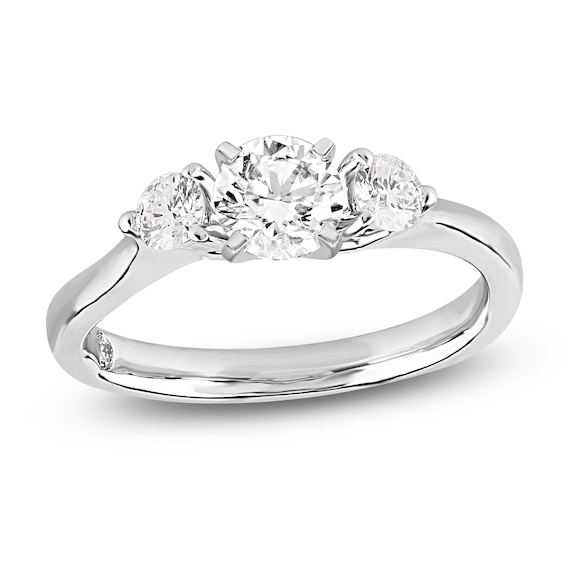
The question of 3 stone vs solitaire engagement rings is less about which design is superior and more about how the wearer relates to ornament. A three-stone ring offers symbolism, width, and a more elaborate presence across the finger. Side stones can also amplify the scale of the center diamond.
A solitaire is more distilled. It directs attention toward one stone and often leaves greater freedom for an expressive wedding band. It is also easier to read from a distance: one lucid point of light rather than a more complex arrangement.
For minimalists, the decision can feel immediate. For maximalists, the solitaire may become the calm center of a layered jewelry story.
How to Pair a Solitaire with a Wedding Band
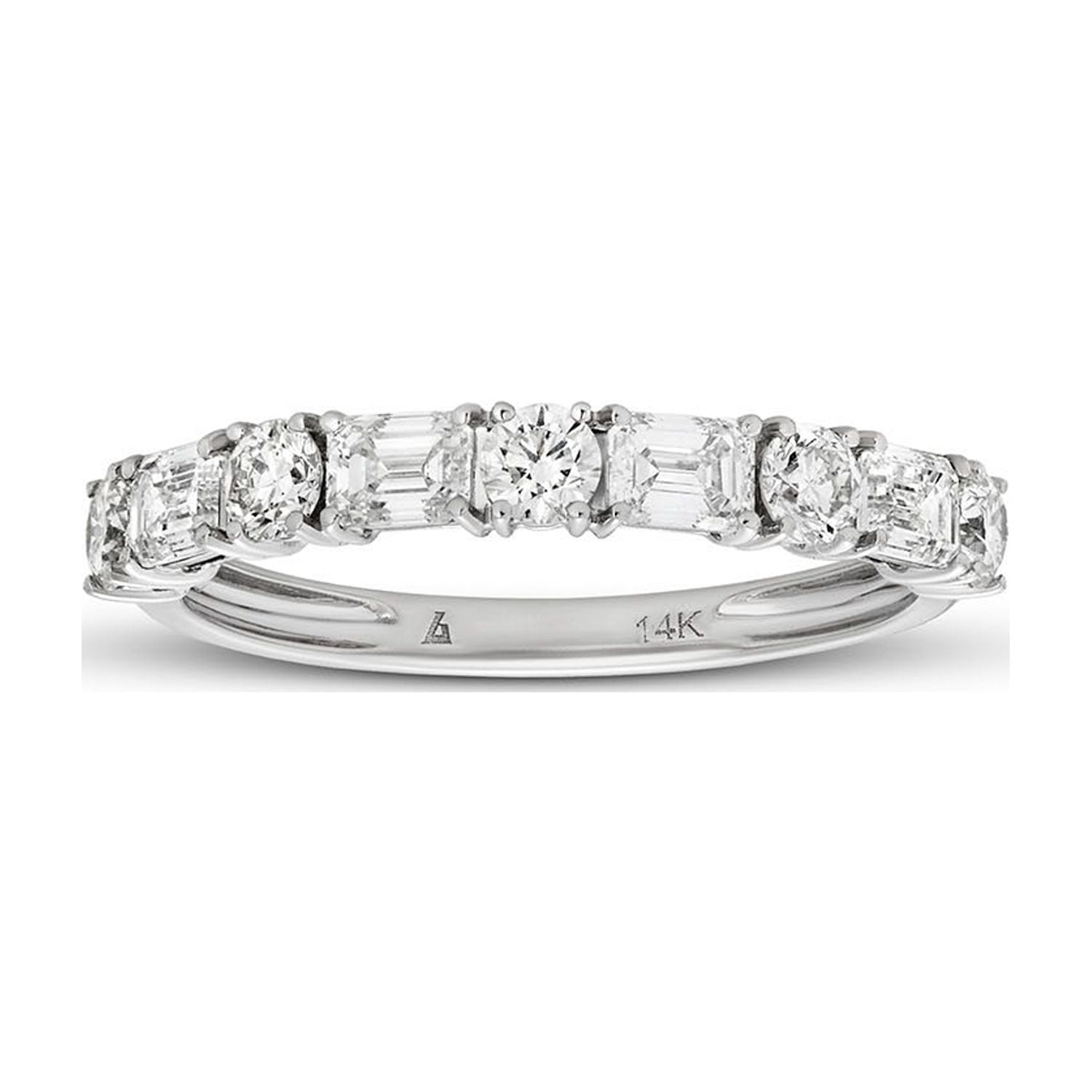
The best wedding bands for solitaire engagement rings respect the proportions of the center stone without disappearing beside it. A slim pavé band introduces a fine line of light. A polished gold band creates contrast. An eternity band brings ceremony and brilliance, while a curved or contoured band can nest around a low basket.
Solitaire wedding rings for women need not match perfectly in width, metal, or texture. In fact, a slight difference often makes the pairing feel more collected and personal.
What matters is comfort: the rings should sit together without pressing the diamond’s basket, abrading delicate prongs, or turning constantly on the finger.
Colored-Stone Solitaires—and Why They Are a Separate Choice
Ruby solitaire engagement rings replace diamond brightness with saturated color: a deep, concentrated red that feels dramatic and deeply personal.
Natural rubies have their own grading considerations, treatments, durability questions, and pricing structures. They should therefore be evaluated as a separate category rather than as substitutes for natural diamond solitaire engagement rings.
How to Buy Diamond Solitaire Engagement Rings Online
Buying solitaire engagement rings for women online offers access to a wider range of natural diamonds, settings, and price points, but abundance can create its own confusion. Begin by narrowing the shape, metal, approximate carat range, and total budget. Only then compare individual stones.
The most trustworthy sellers make it possible to inspect high-resolution imagery, review an independent grading report, understand whether the diamond has received any treatments, and read the complete return and resizing terms before payment.
The best retailers also make their aftercare visible: cleaning, inspection, prong tightening, repairs, warranties, and upgrade policies should not be buried in fine print.
The Solitaire Engagement Ring Shopping Checklist
Confirm that the report number, carat weight, measurements, and identifying details correspond to the diamond being sold.
Videos should reveal the diamond from several angles and under lighting that does not obscure inclusions or color.
A ring purchased online should come with enough time to inspect its fit, workmanship, and appearance in person.
Solitaire prongs require periodic inspection, and white gold may need future refinishing.
What Defines the Best Solitaire Engagement Rings
The smartest purchase is rarely the largest diamond available. It is the ring whose proportions appear inevitable—as if the stone and setting could never have belonged anywhere else.
What Is a Solitaire Engagement Ring?
For anyone searching what is solitaire engagement rings, the defining idea is a ring designed around one primary gemstone. Traditionally, that stone is a natural diamond set without a halo or flanking diamonds. The setting may be spare or sculptural, but the eye should always return to the center.
The solitaire engagement ring meaning is often linked to singular devotion: one stone, one love, one decision. Yet its enduring appeal is also aesthetic. A solitaire feels uncluttered and self-assured. It can look as convincing with a silk evening dress as it does beside a white cotton shirt, a quality few pieces of jewelry possess.
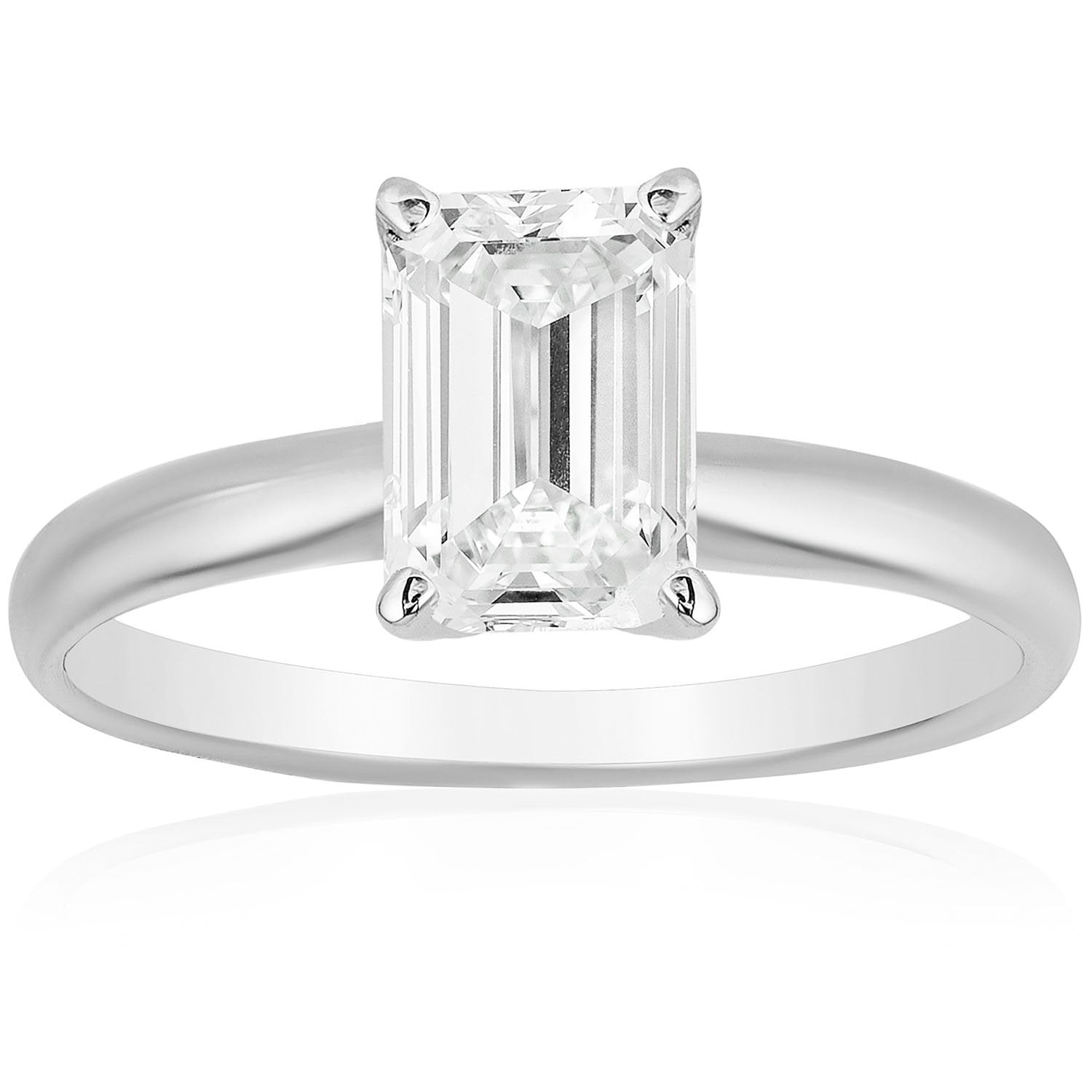
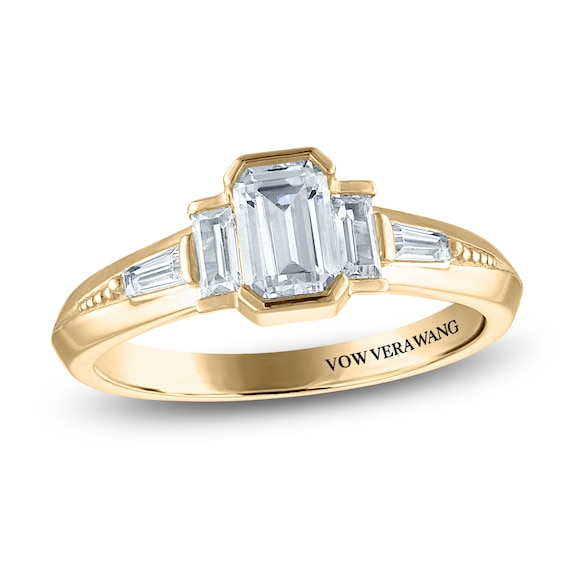
Round, oval, emerald, pear, cushion, princess, and marquise diamonds can all become solitaires. The term describes the visual composition of the ring—not the outline of its center stone.
The Difference Between a Solitaire and a Diamond Ring
The difference between solitaire and diamond ring comes down to design. “Diamond ring” is an expansive category that includes halos, pavé bands, three-stone settings, clusters, and multirow compositions. A solitaire concentrates the design around a single center diamond, although the band itself may sometimes carry discreet diamond accents.
This distinction matters when shopping. A phrase such as solitaire engagement rings diamond band usually describes a prominent center stone paired with pavé or channel-set diamonds along the shank. It preserves the visual hierarchy of a solitaire while adding more light around the finger. A plain-band solitaire, by contrast, feels cleaner and often makes the center diamond appear more pronounced.
The Terms Worth Knowing Before You Shop
Natural diamond
A diamond formed within the earth and later mined, cut, polished, graded, and set into jewelry.
Brilliant cut
A faceting style engineered to return light. The round brilliant is its most recognized expression, although other shapes may use brilliant-style faceting.
Carat
A measurement of diamond weight rather than visible size. Two diamonds of equal carat weight can appear different in diameter depending on their proportions.
Prong setting
A setting in which small metal claws hold the diamond above the band, allowing light to reach much of the stone.
Basket
The metal framework beneath the diamond. Its height and shape affect security, profile, and wedding-band compatibility.
Cathedral setting
A design in which the shoulders of the band rise toward the center stone, creating a graceful architectural frame.
How to Choose a Natural Solitaire Diamond
A solitaire diamond ring natural should be evaluated as both a gem and an object worn on the body. Begin with an independent grading report from a respected gemological laboratory, then look beyond the headline grades.
Observe the diamond face-up, from the side, in daylight, and under softer interior lighting. A stone that only performs beneath jewelry-store spotlights may lose some of its magic elsewhere.
What to Look for in Diamond Solitaire Engagement Rings for Women
-
Cut and light performance
Cut determines how effectively a diamond handles light. In round brilliant diamonds especially, this is the quality that creates brightness, contrast, and scintillation.
Look forBalanced proportions, crisp patterning, and lively movement across the stoneAvoidA diamond that appears glassy, dark through the center, or lifeless away from direct spotlights -
Carat and visible spread
Carat measures weight, while spread describes how large the diamond looks from above. Shape, depth, and setting can all alter its visual presence.
Look forA well-proportioned diamond that faces up attractively for its weightAvoidPaying for hidden weight carried too deeply beneath the surface -
Color in context
Metal color influences how warmth is perceived. A near-colorless diamond can look especially crisp in platinum, while a slightly warmer stone may feel harmonious in yellow gold.
Look forA color grade that appears pleasing in the chosen metal and under ordinary lightAvoidBuying a higher grade solely for prestige when the difference is not visible to your eye -
Clarity to the unaided eye
Clarity grades describe internal and external characteristics under magnification. What matters aesthetically is whether inclusions interrupt the diamond’s beauty or durability.
Look forAn eye-clean stone with inclusions placed away from vulnerable edgesAvoidPaying heavily for microscopic perfection that cannot be appreciated without magnification -
Documentation and disclosure
A significant natural diamond should arrive with clear grading information, treatment disclosures, and an accurate return policy.
Look forIndependent grading, matching report numbers, and transparent seller policiesAvoidVague quality descriptions or unsupported replacement values
Tilt the ring slowly rather than judging it from a single face-up photograph. A compelling diamond produces an active rhythm of light and shadow across the facets; it should not merely look white and bright in one frozen position.
The Most Beautiful Solitaire Diamond Shapes
How to Evaluate the Rings You Add to This Guide
Because product inventory, natural-diamond availability, prices, and retailer policies can change, each ring should be assessed using its current listing and supporting documentation before publication.
-
Verify the diamond
Check natural origin disclosures, grading documentation, measurements, cut information, and any treatments stated by the seller.
-
Study the setting
Review metal purity, prong style, band width, profile, wedding-band compatibility, and whether the ring is made to order.
-
Examine the policies
Confirm current shipping estimates, return eligibility, resizing terms, warranty coverage, and maintenance services.
-
Judge the composition
Consider whether the diamond and setting feel proportionate, distinctive, and genuinely useful for the intended wearer—not merely impressive in a product photograph.
Prices and policies should be checked again immediately before the finished article is published.
Which Solitaire Engagement Ring Is Right for You?
The best solitaire engagement rings do not follow a universal formula. A wearer who favors precise tailoring and cool neutrals may be drawn to platinum and an oval or emerald-cut diamond. Someone who lives in vintage silk, warm knits, and inherited gold may find yellow gold and a round brilliant more natural.
A highly active wearer might prefer a low-profile bezel; a lover of ceremony may want a raised six-prong crown.
The available types of solitaire engagement rings are broad enough to accommodate almost every aesthetic, even within the discipline of a single center stone. The secret is not to collect every desirable quality in one ring. Choose the details that matter most, then allow the rest of the design to become quiet.
Find Your Solitaire Signature
- For the traditionalist Consider a round brilliant diamond in a six-prong platinum or white-gold setting.
- For the modern minimalist Look for an oval or emerald silhouette in a low, finely finished setting with a plain band.
- For the romantic Explore rose gold, delicate cathedral shoulders, or an elongated diamond with softened curves.
- For the individualist A marquise diamond, sculptural basket, or thoughtfully commissioned custom setting can feel unmistakably personal.
- For the practical wearer Prioritize a protective setting, manageable profile, secure prongs, and straightforward maintenance.
Diamond Solitaire Engagement Rings for Women: What Buyers Ask Most
What is a solitaire engagement ring?
A solitaire engagement ring places one primary gemstone at the center of the design without a halo or flanking side stones. The band may be plain or diamond-set, but the center stone remains the clear focal point.
Are solitaire engagement rings still in style?
Yes. Their appeal is less dependent on seasonal trends than more elaborate settings because the design is based on proportion, light, and a single strong focal point. Prong shape, band width, metal, and diamond cut can make a solitaire feel traditional or contemporary.
Which diamond shape looks largest in a solitaire setting?
Elongated shapes such as oval and marquise diamonds can appear larger face-up than some diamonds of equal carat weight. Actual measurements, depth, outline, and setting design should be compared rather than relying on carat weight alone.
Is one carat a good size for a solitaire engagement ring?
A one-carat natural diamond can have a beautiful and noticeable presence, particularly when it is well cut and paired with a proportionate setting. The ideal size depends on the wearer’s hand, style, setting preference, and budget.
Are four or six prongs better for a solitaire?
Four prongs expose more of the diamond and can make it easier to view. Six prongs provide additional contact points and create a classic rounded frame around a round diamond. Security ultimately depends on the quality and condition of the workmanship.
Is platinum better than white gold for a solitaire engagement ring?
Neither is universally better. Platinum is naturally white, dense, and develops a patina. White gold is lighter and often less expensive, but its bright rhodium finish may require renewal. Metal sensitivities, maintenance preferences, weight, and budget should guide the choice.
Can a solitaire engagement ring have diamonds on the band?
Yes. A ring can retain a solitaire composition while adding pavé or channel-set diamonds to the band, provided one center diamond remains the dominant focal point.
How should a solitaire engagement ring fit with a wedding band?
The fit depends on the basket and setting height. High-set solitaires often allow a straight wedding band to sit flush, while low baskets may require a curved or contoured band. Try both rings together and check for friction against the prongs.
How often should solitaire prongs be inspected?
Inspection frequency depends on wear, setting style, and the jeweler’s guidance. Have the ring checked promptly if a prong catches, appears uneven, or if the diamond makes any movement or sound.
What should I verify before buying a natural diamond solitaire online?
Review the independent grading report, natural-origin disclosure, measurements, magnified imagery, metal specifications, resizing terms, return window, warranty, shipping insurance, and long-term service options before completing the purchase.
The Vieuv Verdict : The Solitaire’s Power Is Its Restraint
- Prioritize natural-diamond cut quality and visible beauty over a carat milestone
- Choose the setting profile according to comfort, security, and wedding-band compatibility
- View metal, diamond color, and skin tone as one complete composition
- Confirm grading, disclosures, returns, resizing, and aftercare before purchasing
–
Diamond solitaire engagement rings for women endure because they transform restraint into presence. There is one natural diamond, one decisive setting, and a sequence of seemingly small choices that determine everything: the liveliness of the cut, the height of the basket, the shape of the prongs, and the temperature of the metal against the skin.
Choose those details carefully and the result will not merely photograph beautifully. It will continue to feel right when trends have moved on and the ring has become part of the hand that wears it.